
Caitlin and Zack's Justice Journey
A story from young people to support others
You can read this story whenever you need. You can read it all at once or a little bit at a time and in any order.

Caitlin and Zack's Message
Take a break as often as you want.
- You are brave
- You are not alone
- Your feelings matter
- It’s okay to feel confused or worried sometimes
- Professionals work together to help you
Sometimes you might see or hear words you don’t understand. The button below takes you to a page that explains these words in a simple way to help you understand.
If something ever feels wrong:
Tell someone you can trust
Talk to a parent, teacher, doctor, or another adult you trust.
You are not in trouble
If something feels wrong, it is not your fault and you can ask for help.
You deserve to feel safe
Everyone has the right to feel safe, listened to, and cared for.
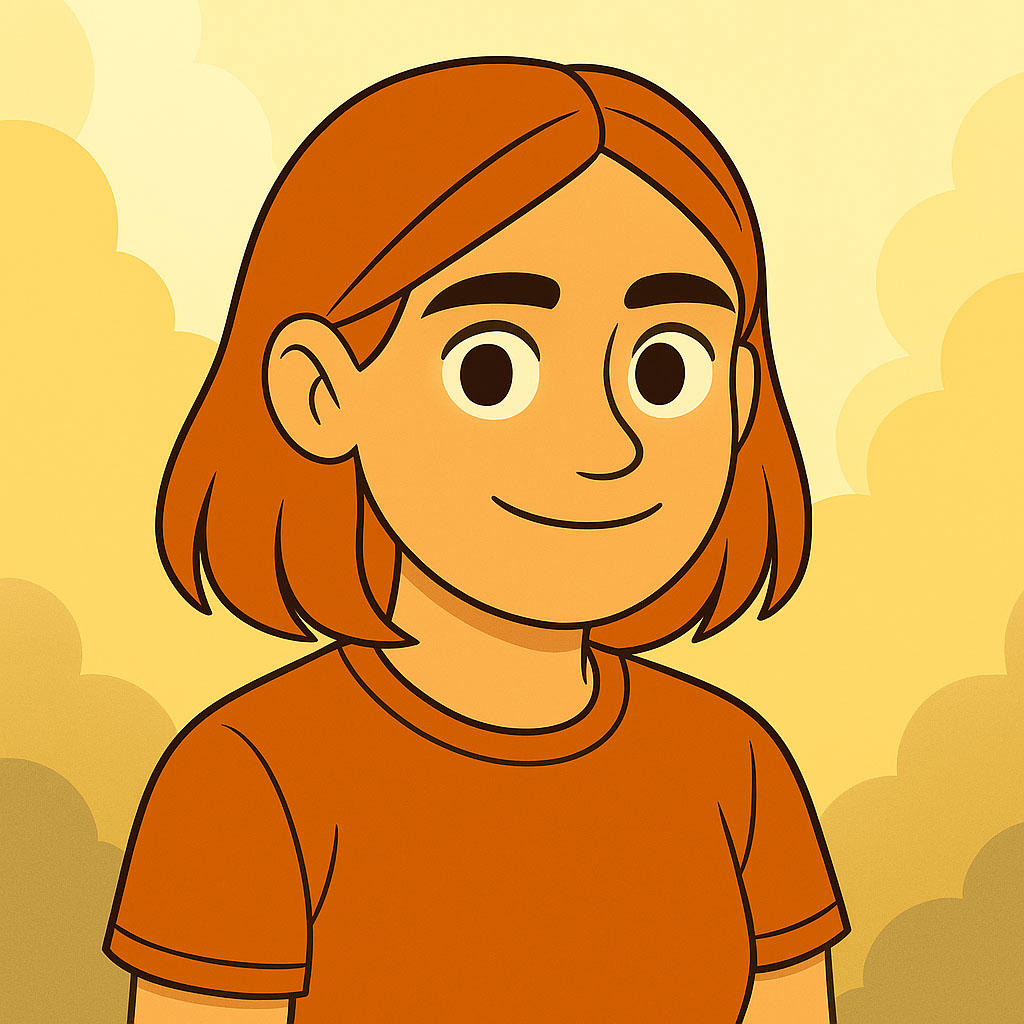
Hello, I'm Caitlin
Age: 14
Pronouns: She/Her
I enjoy art and playing football. I have a twin brother Zack and a cat called Tigger. I have anxiety, it often makes me feel overwhelmed and on edge.
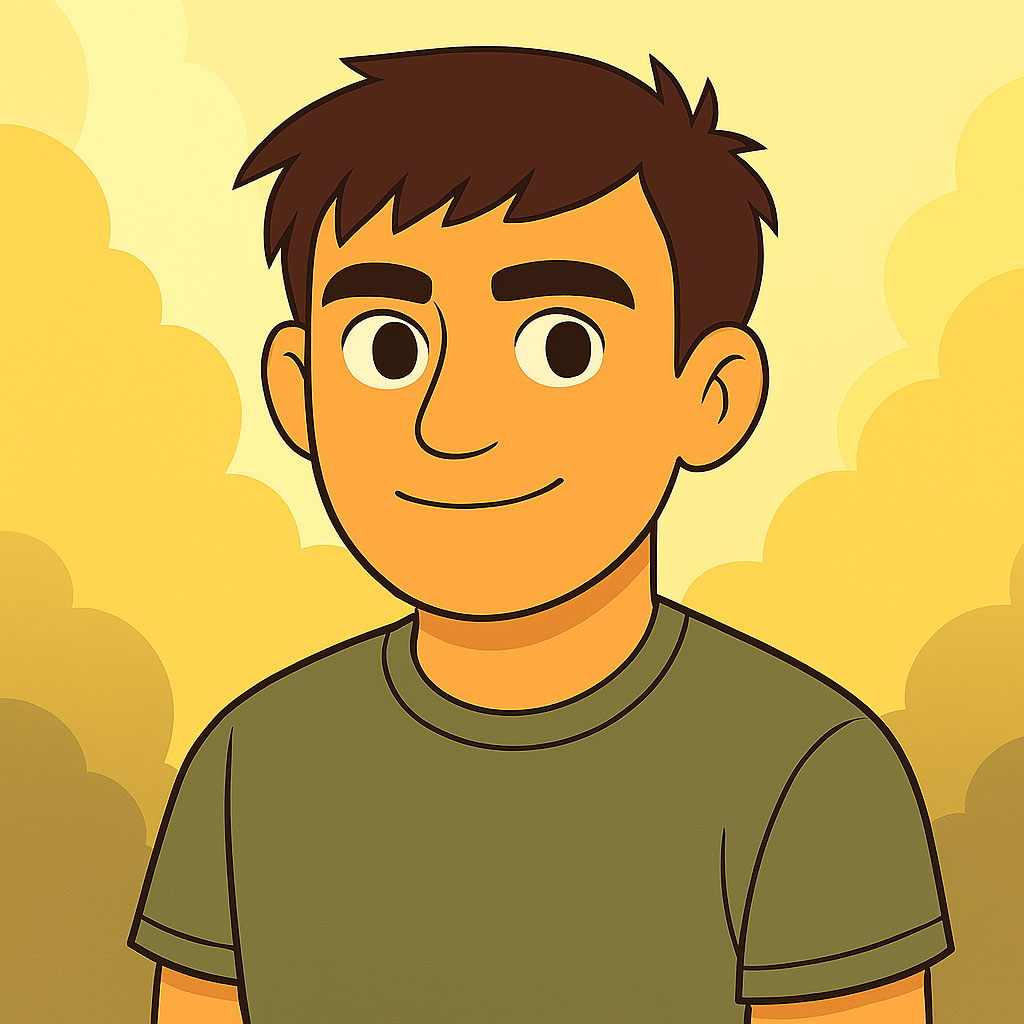
Hello, I'm Zack
Age: 14
Pronouns: He/Him
I like to play football and computer games. I have a twin sister Caitlin. I have ADHD and dyslexia. Sometimes I feel overwhelmed and misunderstood. It’s important for me to take medication to help me manage my day.
Professionals are there to help
Sometimes young people experience harm.
Harm can be many different things like:
- Physical (being hurt)
- Emotional (being made to feel scared, controlled, or worthless)
- Neglect (not having your basic needs met like food, hygiene and health)
- Sexual harm (any non-consensual behaviour of a sexual nature; unwanted touching, harassment, rape)
If this happens, there are professionals whose job is to protect people and investigate what happened.
Our Story
Our dad was physically and emotionally abusive to us and our mum. Home life was really difficult. Our mum tried to look after us but many of our basic needs went unmet.
We missed important health appointments. This meant that my brother Zack often ran out of his ADHD medication. This had a big impact on how he managed at school. We never went to the dentist. I had sore teeth. When we eventually saw a dentist we both had dental decay and we needed filings.
I feel anxious. A lot. I often feel worried and sick at school. I don’t weigh enough for my age and height. This is a worry.
Disclosures
We shared our story with our school counsellor. This is called a disclosure. Disclosures can be made in different ways. A young person might tell someone directly, someone else might report concerns, professionals might notice signs of harm.
After we made the disclosure, the adults took steps to understand what had happened. They listened to us and validated our feelings. They helped to keep us safe.
If you make a disclosure, adults should:
- Take you seriously
- Explain what will happen next
- Involve you in decisions where it is possible
Adults might help to keep you safe by:
- Contacting the police
- Making a referral to the child protection team
- Arranging for medical care, if needed.
You might have questions like will I be safe? Who will be told? It is ok to ask your questions.
Safety and Support
With support from social work and other services, we were able to leave our home and move somewhere safer with our grandparents.
We also brought our kitten, Tigger.
There are now legal conditions:
- Our dad is not allowed to contact us in any way
- He cannot come near where we live
We also have a safety plan, which includes:
- Knowing who to contact if we feel unsafe
- Having extra security at home
- Ongoing support from trusted adults.
Information Gathering (Investigation)
The Police will begin an investigation. An investigation is the act of looking into something carefully to find out the facts and collect evidence. Evidence is information that helps the court understand what happened.
Evidence can include:
- What a child/young person says when they tell their story
- Photos
- Clothes
- Videos
- Expert reports
- Other items that show the truth
We were asked to take part in a Joint Investigative Interview. This is a planned interview with a Police officer and a social worker. They want to understand our experiences and make sure our voices are heard. We could choose if we wanted to take part or not. Zack and I were interviewed separately.
During interviews you can bring someone for support, ask for breaks and ask for something to be explained if you are unsure.
Medical Examination
We were offered a comprehensive medical examination. This is an appointment with a doctor (paediatrician). You might be offered a forensic medical examination or a comprehensive medical examination.
This is to check your health and collect evidence (if necessary).
The doctor told wrote down information like our height and weight. I am underweight. The doctor also spoke to Zack about his ADHD and noted that he had not been getting his medication. They checked our bodies for any signs of harm like bruises and marks. If you have a bruise or mark they will take a picture of this for evidence.
You will have choices throughout your journey. Things should always be explained clearly to you. If you are unsure or worried about anything, you can talk to one of the supporting adults.
Professionals will meet to:
- Share information
- Create a safety plan
- And decide next steps
This is called an Interagency Referral Discussion.
After the Investigation
Police gathered evidence, then they wrote a report. This report went to the person who makes legal-decisions. In Scotland, we call this person the Procurator Fiscal.
The Procurator Fiscal thinks about the following questions:
- Is there enough evidence?
- Is it in the public interest to take the case forward?
What could happen?
- The case goes to court;
- The accused receives another outcome like a warning, support, or supervision order; or,
- There is no further action taken
You might feel different things like confused, angry or relieved. However you feel, your feelings are valid. It is OK to feel how you feel.
Children's Reporter
If the person accused is under the age of 18 years old, the case may go to the Children’s Reporter (SCRA) instead of court.
This may feel confusing, frustrating or worrying. Whatever way you feel, it is ok to feel that way.
You might wonder why is this not going to court?
This decision is based on:
- Age
- Type of offence
- What is considered most appropriate
You have the right to ask questions and to be supported.
Getting Ready of Court
Both sides prepare for court:
- Evidence and witnesses are organised
- The defence solicitor prepares their response
The accused person might:
- Plead guilty
- Or continue to trial
You will be kept updated by support services.
This stage can take months, sometimes longer. It may take up to a year.
You will continue to receive support during this time.
Court Appearances
If the case goes to court, the accused person attends their first hearing.
The accused will be told the charges
They do not plead guilty or not guilty at this point
The court decides if they are released (allowed to return to their home) or kept in custody (kept in a police building).
If the accused is released, they may have bail conditions. Bail conditions are rules that the accused must follow. These might include:
- No contact with me
- Restrictions on where they can go
Bail conditions help to keep people safe.
Giving Evidence
As young people, we are considered vulnerable witnesses.
This means we can have special measures. These are extra supports that can help us feel safer giving our evidence in court.
Special measures might include:
- Giving evidence by video link. When giving evidence by video link, it is important to know that the accused will be able to see you but you will not be able to see them.
- Being in a separate room
- Having our evidence recorded in advance
People will talk to you about what feels most supportive and will listen to your voice.
At trial a judge will listen carefully to what everyone says and makes sure.
A jury are a group of people who will listen carefully to the evidence. They decide what they think has happened based on all of the evidence that is shown.
This can feel intimidating but there are protections in place to support us.